
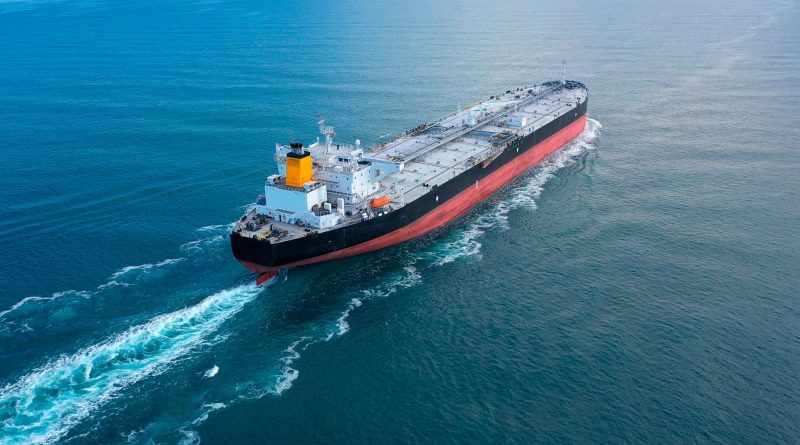
Petrol Crisis Australia (2026): What’s Really Happening?
Australia is currently facing one of its most serious fuel challenges in recent years, driven by global supply disruptions, geopolitical tensions, and heavy reliance on imports. Questions like “where does Australia get petrol from,” “will Australia run out of petrol,” and “when will petrol prices go down” are now top of mind for households and businesses across the country.
Where Does Australia Get Petrol From?
Australia produces some crude oil domestically, mainly from Western Australia, but the majority of refined petrol and diesel is imported. Around 90% of Australia’s fuel supply comes from overseas.
Main fuel suppliers include:
- Singapore (largest supplier of petrol)
- South Korea (major diesel supplier)
- Malaysia, India, and Taiwan
- Crude oil sourced globally, including the United States and Southeast Asia
This reliance makes Australia highly exposed to global oil prices and international supply disruptions.
What Is Petrol Mainly Used For in Australia?
Petrol and diesel are essential across multiple industries and everyday life.
- Transport sector (largest consumer)
- Freight and logistics
- Mining and construction
- Agriculture (diesel-heavy)
- Aviation and industrial operations
The transport and logistics sector uses the most fuel, meaning any increase in petrol or diesel prices directly impacts the cost of goods and services.
The Current Petrol Crisis in Australia
The petrol crisis in Australia is being driven by a combination of global and local factors:
- Global oil supply disruptions
- Rising oil prices above $100 per barrel
- Shipping delays and reduced fuel imports
- Petrol shortages in some regions
- Australian petrol stations rationing fuel in certain areas
These challenges have led to higher fuel costs and occasional supply pressure across the country.
Recent Government Announcement – Petrol Fuel Excise Cut
 The Australian Government recently introduced a temporary fuel relief measure.
- Fuel excise reduced by approximately 50%
- Savings of around 25–26 cents per litre
- Short-term relief for households and businesses
What is petrol fuel excise?
It is a government tax on fuel that helps fund infrastructure such as roads.
When will petrol prices go down?
Prices typically take 1–6 weeks to reflect changes due to existing fuel stock and supply cycles.
How Much Petrol Does Australia Have Left?
Australia has relatively low fuel reserves compared to other developed countries.
- Estimated 30–39 days of fuel supply
- Limited domestic refining capacity
Will Australia run out of petrol?
While a complete shortage is unlikely, localised petrol shortages and delays are possible if supply chains are disrupted further.
Why Is Diesel More Expensive Than Petrol?
Diesel prices are often higher than petrol due to several key factors:
- Higher global demand (transport, mining, agriculture)
- More complex refining process
- Increased freight and logistics activity
- Supply constraints affecting diesel more heavily
This is why diesel is often more expensive during periods of supply pressure.
Economic Impact of Rising Oil Prices
The increase in oil prices and petrol costs is affecting the Australian economy in multiple ways:
- Higher transport and logistics costs
- Increased cost of goods and services
- Inflation pressure across industries
- Reduced consumer spending
- Operational challenges for businesses
Fuel prices are a major driver of economic activity, meaning sustained increases can slow growth.
Can Australia Keep the Economy Going?
Australia can maintain economic stability, but it requires a combination of short-term relief and long-term strategy.
- Diversifying fuel import sources
- Improving fuel storage capacity
- Encouraging energy efficiency
- Supporting businesses with cost relief measures
- Investing in infrastructure and alternative energy
What Natural Resources Can Australia Trade for Oil?
Australia has strong export capabilities that can support energy trade relationships.
- Liquefied Natural Gas (LNG)
- Iron ore
- Coal
- Lithium and critical minerals
These resources can be used to strengthen trade agreements and secure long-term fuel supply.
Latest Market Insights and Statistics
- Petrol prices around $2.50+ per litre in many areas
- Diesel exceeding $3.00 per litre in some regions
- Australia imports approximately 90% of its fuel
- Fuel reserves averaging 30–39 days
- Increased demand from transport and logistics sectors
FAQ – Petrol Crisis Australia
Where does Australia get petrol from?
Australia imports most of its petrol from countries like Singapore, South Korea, and Malaysia.
Will Australia run out of petrol?
A complete shortage is unlikely, but temporary petrol shortages may occur in certain areas.
When will petrol prices go down?
Prices may gradually decrease following government measures, but global oil prices will continue to influence costs.
How much petrol does Australia have left?
Australia typically has around 30–39 days of fuel reserves.
Why is diesel more expensive than petrol?
Diesel demand is higher globally and is more affected by supply chain disruptions.
Are Australian petrol stations rationing fuel?
Some petrol stations have introduced limits during supply pressure, but widespread rationing is not in place.
What is petrol fuel excise?
It is a tax on fuel that contributes to funding road infrastructure.
Last thoughts…
Australia’s current petrol crisis highlights a major structural issue, its heavy reliance on imported fuel. While short-term measures like the petrol fuel excise cut provide immediate relief, long-term solutions are essential to strengthen fuel security and protect the economy.
Potential long-term solutions include:
- Rebuilding domestic oil refining capacity
- Increasing national fuel reserves to meet international standards
- Diversifying global fuel supply partnerships
- Expanding electric vehicle adoption and charging infrastructure
- Investing in renewable energy and alternative fuels
- Developing hydrogen and biofuel industries
- Improving public transport systems to reduce fuel demand
- Enhancing energy efficiency across industries
While Australia is unlikely to run out of petrol completely, the current situation shows the importance of long-term planning. Expect continued volatility in oil prices, gradual adjustments in petrol costs, and a stronger push toward energy independence in the years ahead.